
Remember When?
Remember when neighbors used to borrow cups of sugar? Not just when they were desperately out, but because borrowing and lending was just what people did.
It was a way of saying, “Hey we’re connected. We look out for each other.” But since we’ve replaced all of that with Amazon Prime and DoorDash, honestly, I think we lost something.
But over the last three weeks, I’ve had something happen (twice) that reminded me what we’re missing.

Going Far Together
Someone once said: If you want to go fast, go alone. If you want to go far, go with others.
I really love this saying. It has encapsulated, in a few words, what has taken me nearly 250 articles, which is fine because, anyone who knows me can attest that I like to express myself.
But really, when it comes to the idea, philosophy, and theory of community, this one sentence sums it up.
Still, I think I have at least another 250 articles left in me. Aren’t you glad? LOL.
But here’s the thing about going fast alone: it feels efficient. No meetings to schedule. No consensus to build. No compromises on your vision. You just wake up, decide what needs doing, and do it. Boom. Progress.
Why Small Gifts Matter More Than Big Systems
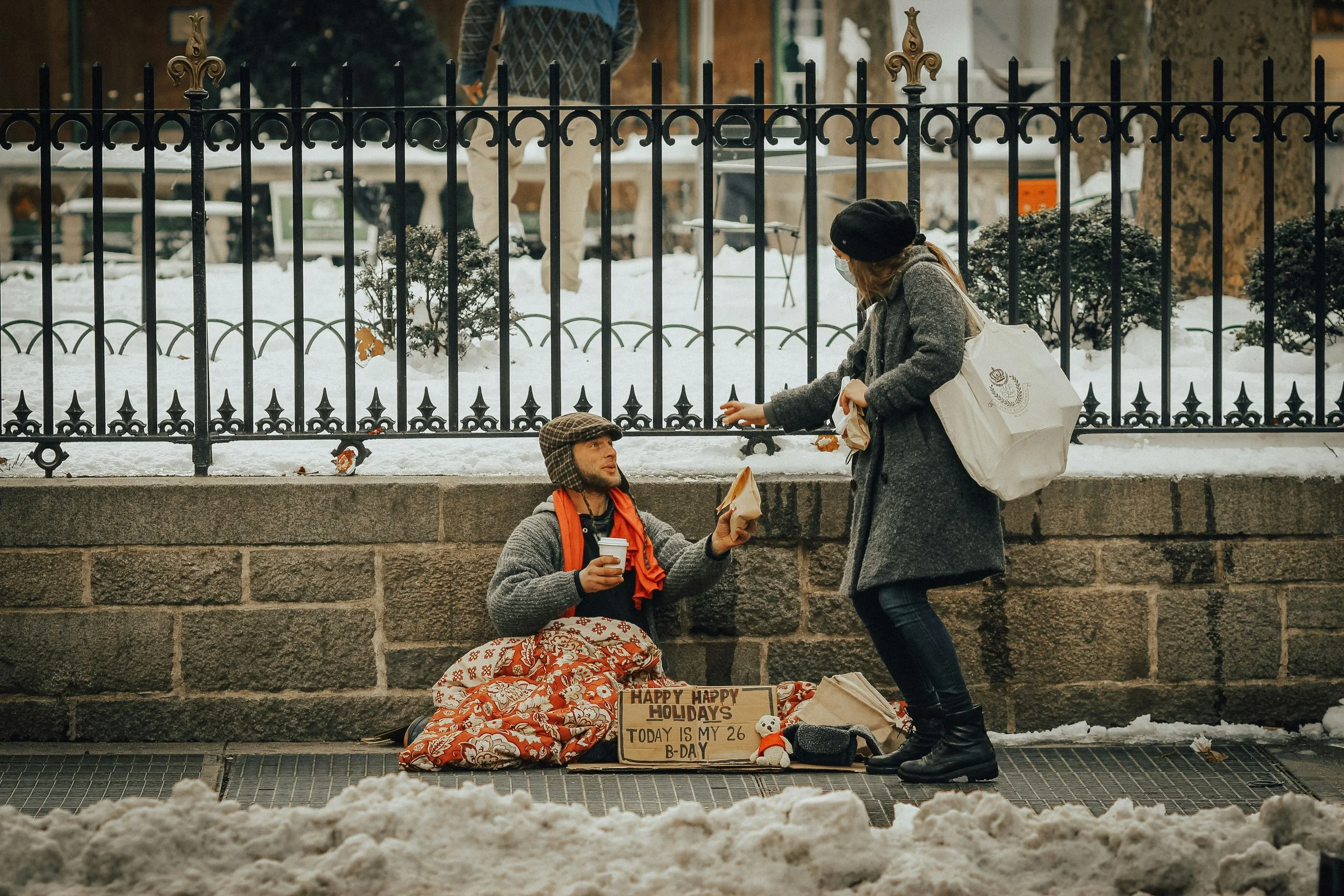
Given the focus of my work over the last two years, I’ve been thinking a lot about how people relate to each other through the exchange of things.
Not those big, ceremonial sort of things, not the grand charitable kind of things, but the everyday stuff we pass around without thinking; leftovers taken to a neighbor, a half-read, dog-eared book we swear someone “has to” borrow. It’s strange how these little handoffs end up carrying more emotional weight than all the big, dramatic gestures of corporate nonprofits or government programs.
There’s this anthropologist, Marcel Mauss, who basically said that no gift is ever just a gift. There’s always something attached. A personal thread, a quiet “hey… we’re connected now whether we like it or not.”
I kind of love that idea. It feels true in a way we don’t talk about anymore, probably because we’re all pretending to be independent operators who don’t need anything from anyone.
But the truth is, we do. We always have.
What If We Rewarded Making the World Better?
Here’s a bit of a thought experiment for you: What if we could build a society where people were rewarded for making the world a better place rather than worse?
People tell me that I’m naive for thinking such things. And maybe I am, I know. Maybe even childishly optimistic. But follow my train of thought here.
Since basically the beginning of time, people have been rewarded for their pure greed. Which, unsurprisingly, makes the world worse. So what if we changed that? What if we rewarded people for making the world better instead?
The problem, of course, is obvious: how do we define “better”?

Community Fosters Accountability; and Agency
Not long after starting a community resource center, I began wondering if charity alone was really the best way to address the needs coming in week after week. People walking through the door needing rent assistance. Needing food. Needing help with utilities. Needing… something, anything. And my conclusion, after much agonizing, was that charity alone was not enough. Not by a long shot.
Here’s what I kept seeing.
The majority of those asking for help were in a state of chronic need. Not everyone, mind you. Maybe 20% of those coming into the center had simply fallen on hard times, through no fault of their own. Job loss. Medical emergency. A string of bad luck that anyone could find themselves in. These are the folks that just need a hand getting back up. A bridge, not a destination. Help them stabilize, and they stabilize.
But that left 80%. And the 80% were a different story.
Why Community is the Way Forward
We live in a time of remarkable connection. Goods, information, and services move around the globe faster than ever before. Yet this same interconnectedness also makes our systems fragile. A single disruption can ripple far beyond its point of origin.
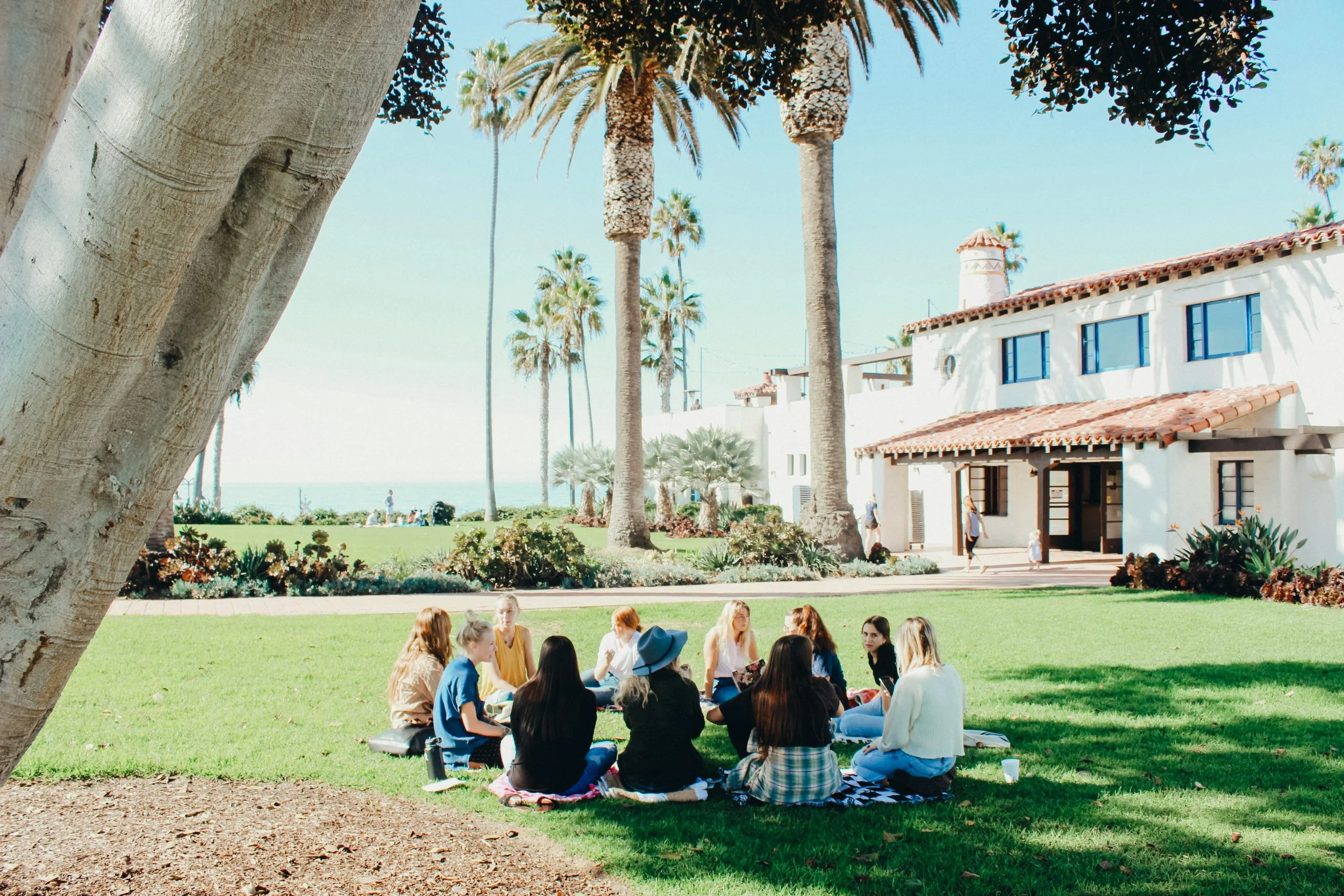
History reminds us that when large systems struggle, it is often the strength of local community that carries people through. Families, neighborhoods, and small groups of friends find ways to share resources, lend support, and care for one another. This is why community matters, not only as a source of belonging, but as a foundation for strength. When uncertainty arises, whether through economic changes, supply shortages, or unexpected challenges, local communities become the first line of support.
Neighbors help neighbors. A simple act of kindness can ease burdens no institution can reach.
Shared resources go further. What feels scarce individually can feel abundant when it is pooled and shared.
Health and care are central. Food and shelter are important, but so is knowing that someone will look after you if you fall ill or struggle.

Impact and Value… Bring It Or Else
How do people, organizations, and businesses make money?
At the most basic level, they sell something. Or they work for someone who sells something. Products. Services. Ideas. Content. Labor. Attention. It all boils down to the same thing: bringing something of value to the table for which someone else is willing to exchange their limited resources.
For a long time, that was easy.
Disposable income flowed in ways that now feel almost a memory. Since World War II, the global economy, especially in the West, has been built on one core assumption: convince people to buy things (consumption). Not just any old consumption, but excess consumption. We engineered an entire economic machine around convincing people to buy more than they needed, more than they wanted, and often more than they could reasonably afford.
And it worked. Spectacularly. For decades.
But that model is breaking down. Rapidly.

Why Community Builders Should Read “Leading Change” by John Kotter
Most people in the community-building game don’t think of themselves as “change managers.” Most of us are not sitting in corner offices with PowerPoint decks and consultants.
We’re generally sitting in church basements, nonprofit board meetings, food pantries, living rooms, and half-finished Slack threads (maybe that last one is just me). And we’re trying to solve real-life problems with limited money, part-time volunteers, and whatever goodwill we can talk people out of.
And yet.
What we are trying to do is nothing short of cultural change.

Innovate or Die
I just finished watching the movie Jobs. It’s a very loose retelling of Steve Jobs and the early days of Apple, and if there’s anyone who has personified the word innovative, it’s him.
I’ve always been obsessively drawn to the idea of innovation. I love creativity. I love problem-solving. I love finding solutions that no one else seems to see. And not for the sake of being clever, or impressive, or even profitable – but because it somehow feels essential to me. This isn’t a game in the casual sense. It’s the game. The game of survival. The game of meaning. The game of life.
Innovation has always been about survival. Individual survival. Social survival. Economic survival. Even species-level survival. Civilizations that stop innovating don’t stagnate; they collapse. Slowly at first. Then all at once, as the saying goes. So it’s probably worth slowing down for a moment and asking what we really mean when we use this word so casually.
What Is Our Schelling Point
A Schelling Point is:
a solution people naturally gravitate toward when they need to coordinate, without communicating, because it feels obvious, natural, or culturally salient.
The world is coming apart all around us. You know it. I know it. And we all know that we need to regroup… somewhere, somehow.
Like a platoon of soldiers in the midst of combat, suddenly separated from one another. They know they must come back together—but where? Each soldier reasons out the most likely place to find his comrades, then sets out on the journey to restore what was lost. The order that comes from what feels normal. What feels right.
A journey back to the last known state of equilibrium.

Why Small Communities are the Survival Strategy of the Future
This is an edited and recycled piece from the past. Enjoy.
It doesn’t take an economist to see what’s happening. We all know that we’re in the beginning stages of an economic disaster.
Ask almost anyone how they’re doing financially, and you’ll hear the same thing: It’s rough. Groceries cost more; almost beyond reach. Housing costs more; definitely beyond reach. Energy costs way more. And what we can earn… doesn’t stretch the way it once did.
It’s becoming clear that the economic climate is “declining” (understatement). And not slowly either. Most people are already beyond their ability to sustain the standard of living they grew up with. So the real questions are simple:
Why is this happening?
And what do we do about it?

What If Your Neighborhood Became an Intentional Community?
What if nothing changed… and yet everything did?
I don’t mean selling your house and moving to a commune where everyone owns exactly two spoons and a shared goat named Harmony. I mean something less cinematic.
What if you just learned the names of the people who live on your street? I know. That takes a lot of effort and, frankly, I’m in the middle of rewatching The Good Doctor. I simply don’t have the time.
I’ve lived in neighborhoods where I could identify everyone’s Amazon ordering habits but not their first names. You start to recognize boxes before you recognize faces. “Ah yes, the family of Bulk Paper Towels.” “Oh look, another delivery for the Man Who Definitely Owns Too Many Gadgets.”
How to Really Change the World
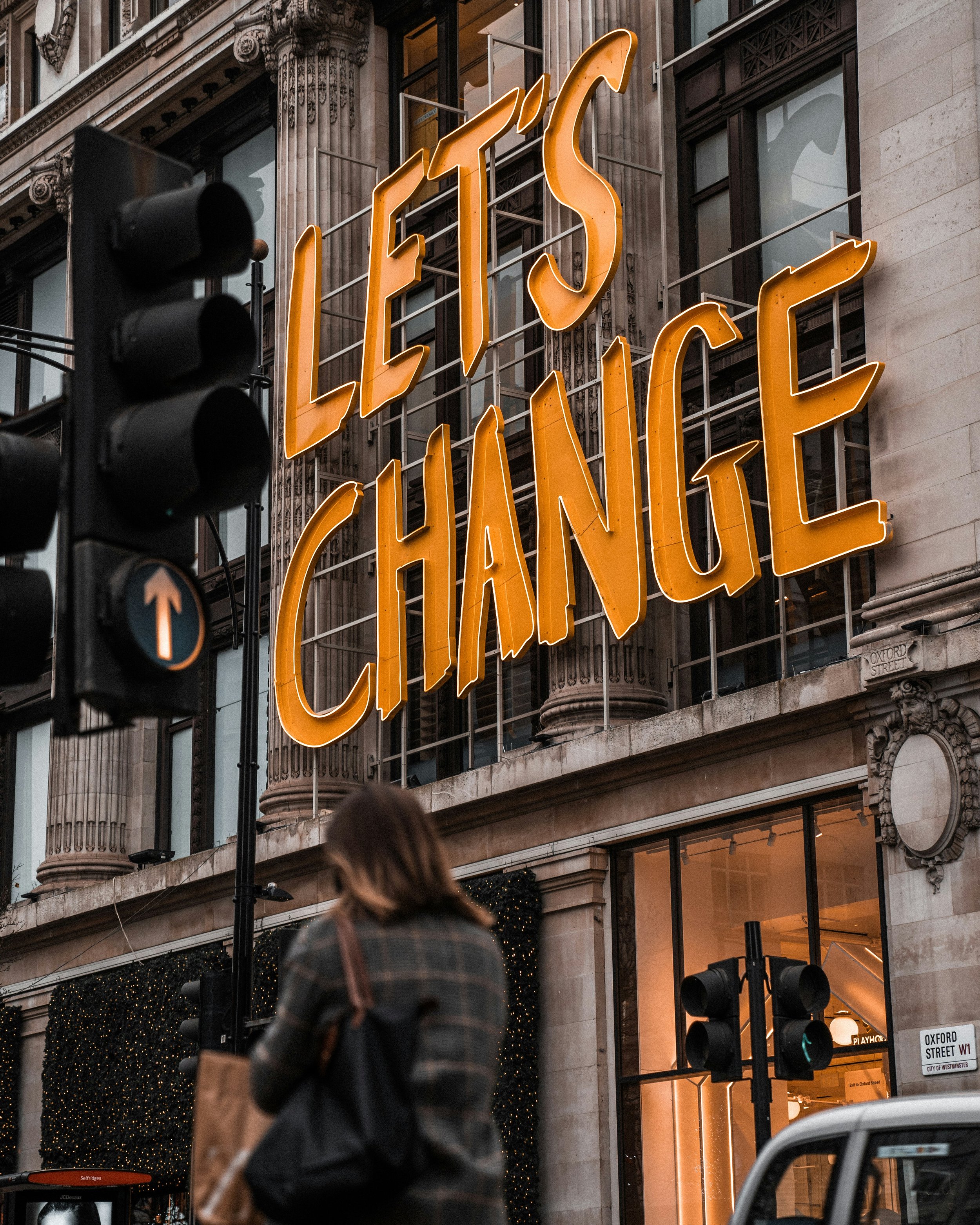
I’ve been having a conversation on Substack about social movements and how change actually happens. And I realized that what I’ve been doing instinctively has a solid foundation in academic theory. So lately, I’ve been getting up to speed on the frameworks that have been underpinning the work I’ve been doing all along.
As I turn it over, looking at it from many angles… the more I look at it, the more it feels like something that’s simple on the surface but actually explains the depths of what’s going wrong in the world.
Or maybe more importantly… what might still be fixable.

A System Worth Its Salt: Economic Justice Meets Solidarity Economies
We are a species with a peculiar gift for dreaming. For centuries, we have imagined utopias, built castles in the air, and scribbled blueprints for worlds where fairness reigns supreme. Yet, the world has a way of humbling dreamers. The stark machinery of greed and power grinds down idealism into dust. But what if – just what if – we could create a system that truly embodied economic justice, using the foundational ideas found in solidarity economies? What would that look like, in theory and practice?
Let’s dream together for a moment a world where the economy isn’t a gladiator’s arena, but a village square. Here, wealth doesn’t pool into a few gilded chalices; it flows like a river, nourishing every root and blade of grass. The market is no longer a ruthless game of survival but a cooperative dance, where participants move in rhythm with one another. This is not just theory – it is the beating heart of economic justice through solidarity.

The Currency of Showing Up
There’s a woman in my neighborhood who bakes extra muffins every Sunday and leaves them in little paper bags on doorsteps. No note, no fuss. Just something sweet and simple, a way of saying, “I see you.”
There’s also a guy down the street—handy with tools—who once spent an entire afternoon fixing a stranger’s fence because, as he put it, “I had the time, and they didn’t.”
These small, almost invisible gestures don’t make the news. But in the world of KommunityKoin, they’re part of a different kind of economy—one that doesn’t run on dollars, likes, or status points. It runs on time, and more importantly, on trust.

Mass Society – How Will it Impact Humanity?
For most of human history, society has been an intricate mosaic of distinct communities—villages, towns, religious congregations, and localized cultures—that functioned as semi-autonomous entities. Each possessed its own customs, traditions, and guiding philosophies, shaping individuals through the shared values and collective memory of their particular community. However, with the advent of mass communication, globalization, and most notably, the internet, these once-distinct cultural and ideological enclaves have begun to dissolve into a singular, overarching mass society.

The Rational Light of Cooperation
There are truths that lie so close to the heart of human experience that we pass them by daily without recognition. We step over them as one steps over a sleeping beggar in the street—not out of cruelty, but because the sight of them touches a nerve we cannot bear to feel. One such truth is this: we are creatures capable of choice, and yet so often we live as though we are not.
The world in which we find ourselves has been shaped by a law of conflict. The animal devours to live, the storm flattens the tree without remorse, and the market awards the cunning over the meek. We speak of evolution as if it were our gospel, its pages inked with the struggle for dominance. And yet, unlike the beasts and the winds, we are not bound to this rhythm. We possess a secret, fragile power: the capacity for reflection, for reason. With it, we can choose a different path—not of domination, but of cooperation.
The Moral Necessity of Social Stewardship
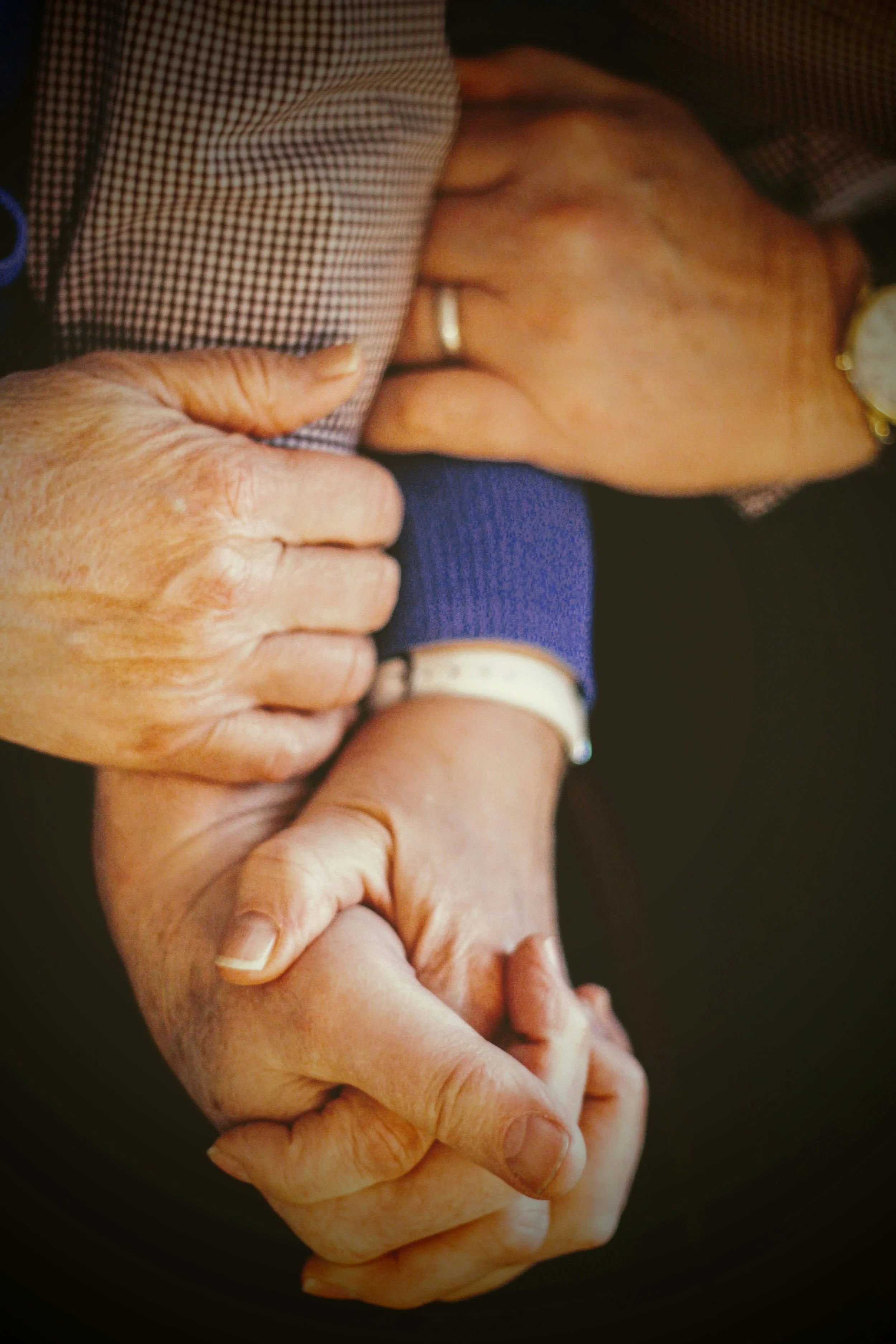
There exists a responsibility so fundamental to the integrity of our lives together that its absence renders society a mere machine—functioning, perhaps, but devoid of justice or soul. This responsibility is social stewardship. To steward is to care, not as an act of charity or sentimentality, but as the fulfillment of an obligation that arises from the mere fact of our shared existence. It is not optional. It is not supplementary. It is a human right.
Social stewardship implies the guardianship of what belongs to all: the sacredness of human dignity, the resources of the earth, the spiritual and material conditions necessary for each person to develop fully the latent truth within them. A society that forgets this obligation ceases to be society in the true sense; it becomes a marketplace, a battleground, or worse, a prison whose walls are built from indifference.
How to Ethically Triage Needs In Community Service Settings
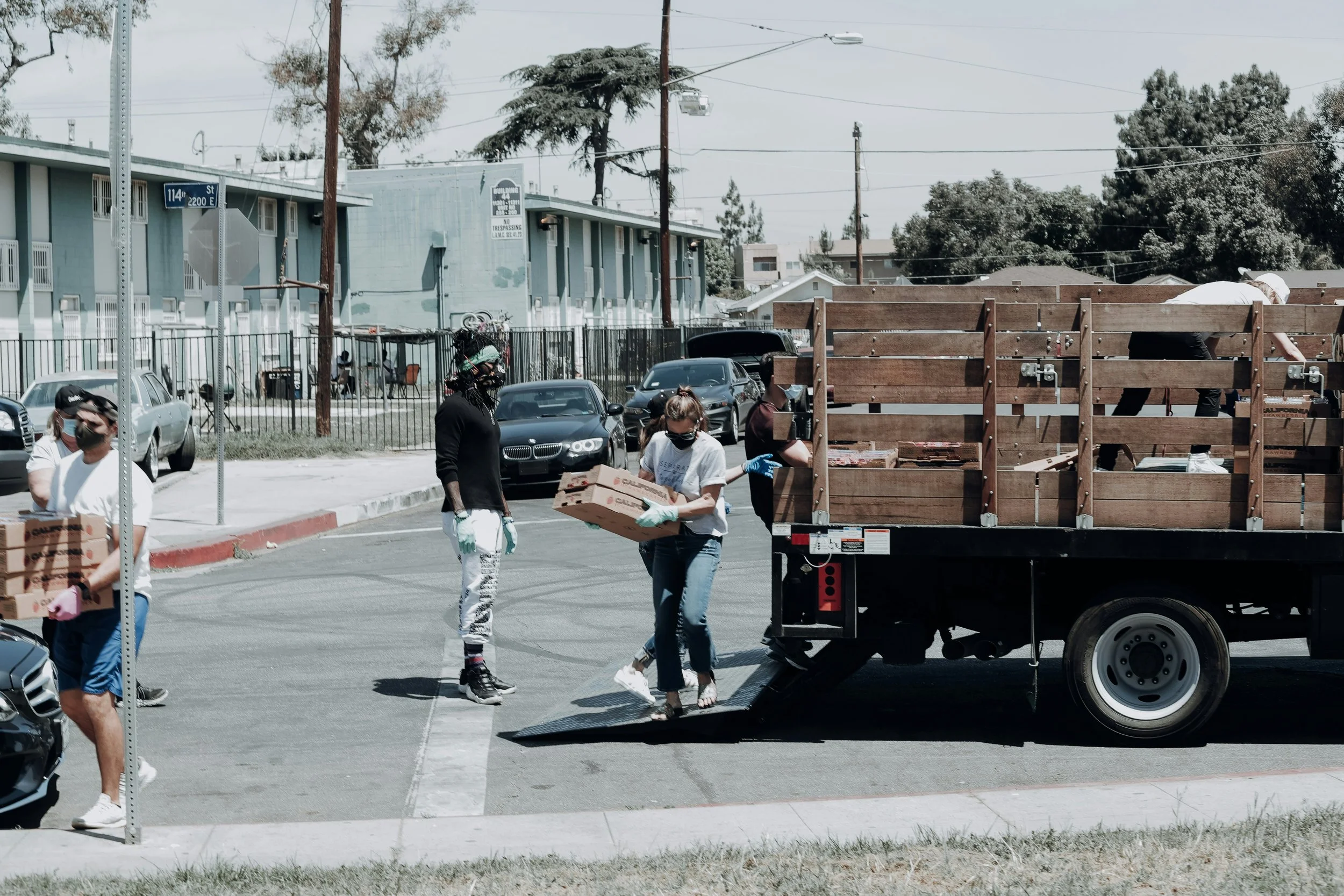
Given that we exist in a world where resources are finite, yet human need is seemingly infinite, the challenge of triaging community needs becomes both a moral and logistical necessity. The allocation of aid, services, and funding must be carried out in a way that maximizes impact while adhering to principles of fairness, efficiency, and ethical responsibility. The question then becomes: how do we decide who receives assistance first, and how do we ensure that such decisions are made reasonably and justly?
Triaging community needs requires a structured approach that prioritizes those who are actively striving to improve their circumstances. While it is important to provide immediate relief for acute crises—such as access to food, clean water, and emergency medical care—long-term effectiveness demands a focus on those who demonstrate initiative and a willingness to engage in self-improvement. Aid should be a catalyst for empowerment, not a means of enabling perpetual dependency.

Building a Collapse Community
There’s something that I say so often, I sound like a broken record: It’s better to be proactive rather than reactive.
Sounds simple enough. Most people would agree with it. Most people also aren’t doing it.
Because being proactive is about being predictive. It’s about developing the discernment to look down the road and understand what the needs are going to be at that time. It’s about building before you need what you’re building.
And right now, in this particular moment in history, what needs to be built is community.