
The Rational Light of Cooperation
There are truths that lie so close to the heart of human experience that we pass them by daily without recognition. We step over them as one steps over a sleeping beggar in the street—not out of cruelty, but because the sight of them touches a nerve we cannot bear to feel. One such truth is this: we are creatures capable of choice, and yet so often we live as though we are not.
The world in which we find ourselves has been shaped by a law of conflict. The animal devours to live, the storm flattens the tree without remorse, and the market awards the cunning over the meek. We speak of evolution as if it were our gospel, its pages inked with the struggle for dominance. And yet, unlike the beasts and the winds, we are not bound to this rhythm. We possess a secret, fragile power: the capacity for reflection, for reason. With it, we can choose a different path—not of domination, but of cooperation.
The Moral Necessity of Social Stewardship
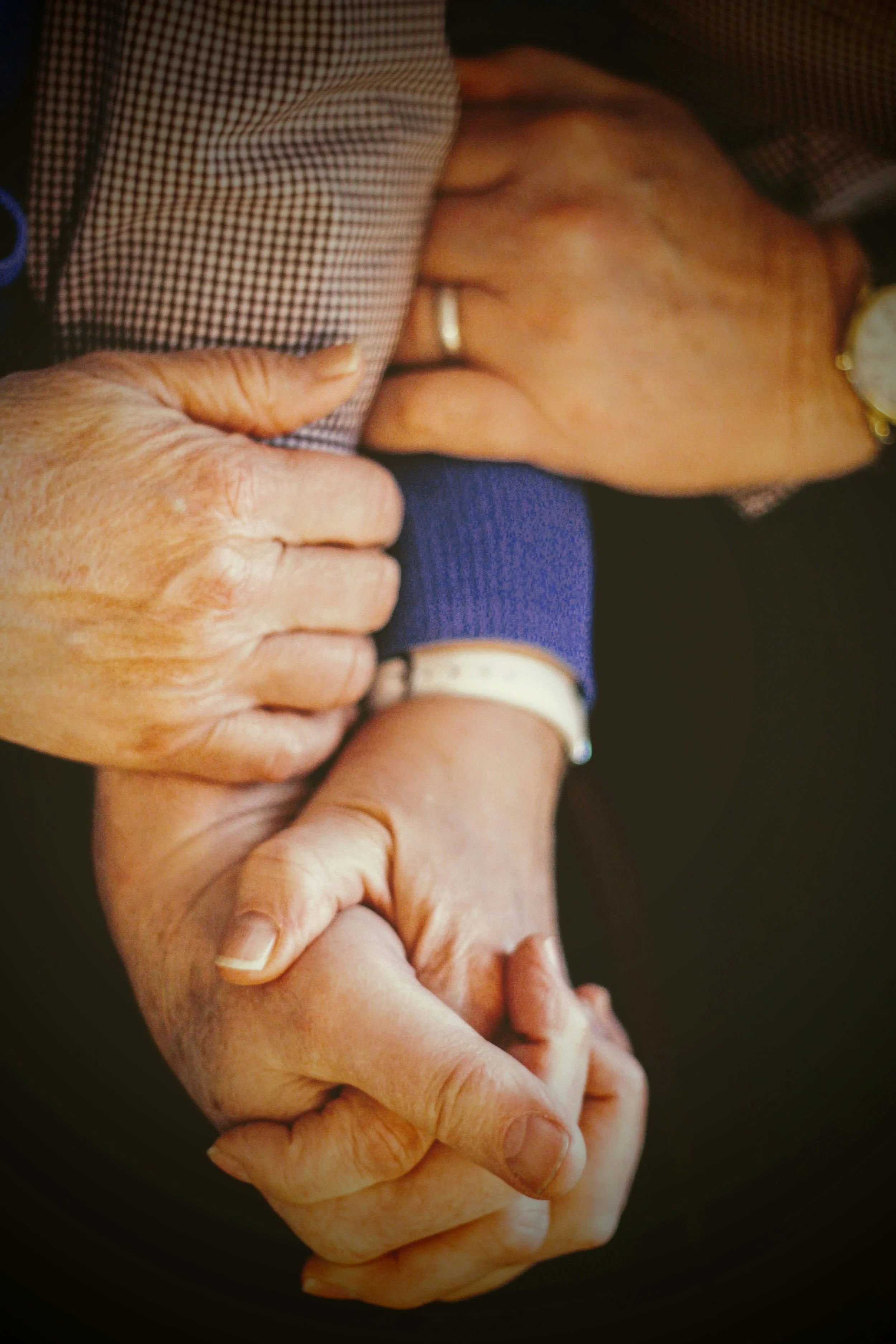
There exists a responsibility so fundamental to the integrity of our lives together that its absence renders society a mere machine—functioning, perhaps, but devoid of justice or soul. This responsibility is social stewardship. To steward is to care, not as an act of charity or sentimentality, but as the fulfillment of an obligation that arises from the mere fact of our shared existence. It is not optional. It is not supplementary. It is a human right.
Social stewardship implies the guardianship of what belongs to all: the sacredness of human dignity, the resources of the earth, the spiritual and material conditions necessary for each person to develop fully the latent truth within them. A society that forgets this obligation ceases to be society in the true sense; it becomes a marketplace, a battleground, or worse, a prison whose walls are built from indifference.
How to Ethically Triage Needs In Community Service Settings
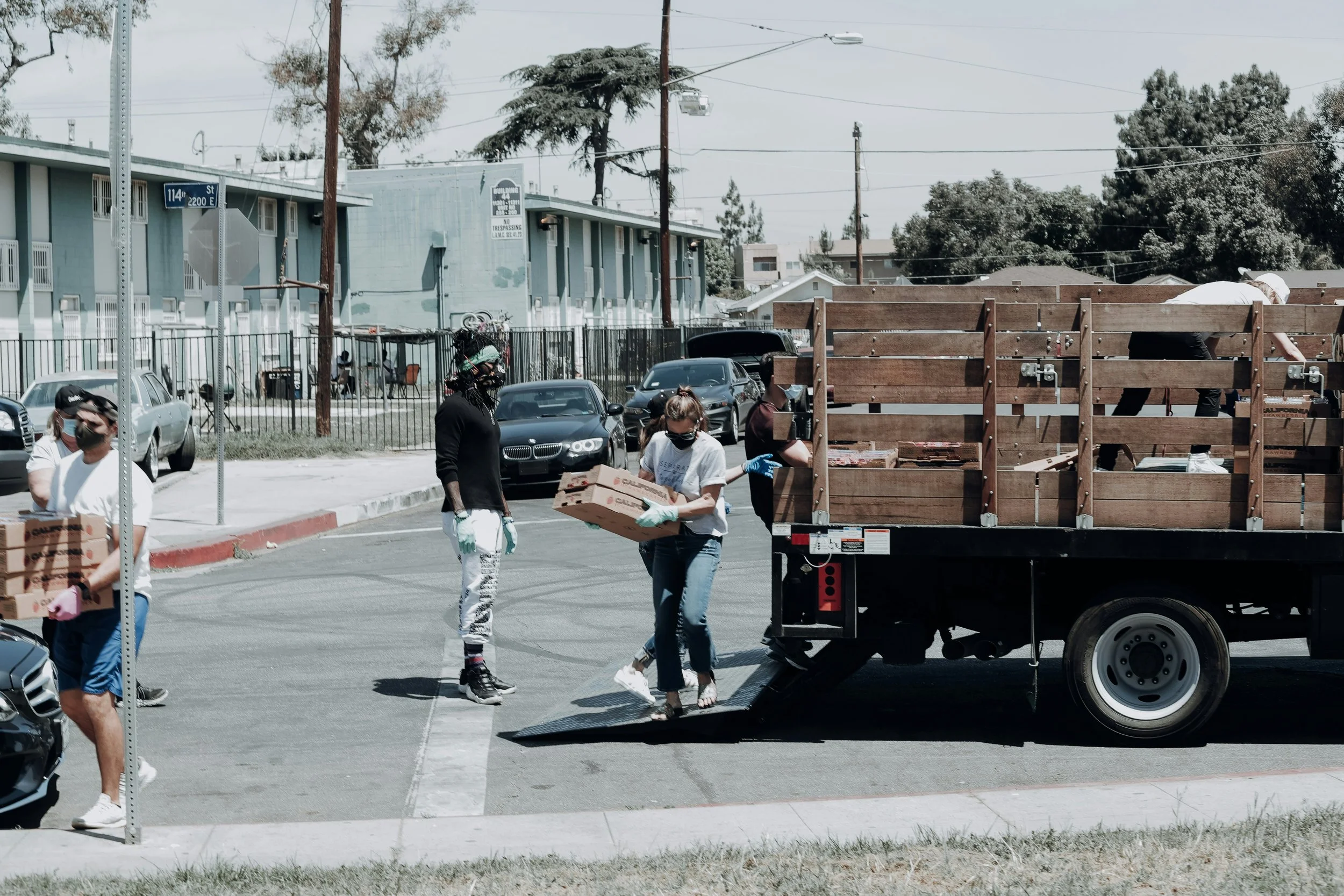
Given that we exist in a world where resources are finite, yet human need is seemingly infinite, the challenge of triaging community needs becomes both a moral and logistical necessity. The allocation of aid, services, and funding must be carried out in a way that maximizes impact while adhering to principles of fairness, efficiency, and ethical responsibility. The question then becomes: how do we decide who receives assistance first, and how do we ensure that such decisions are made reasonably and justly?
Triaging community needs requires a structured approach that prioritizes those who are actively striving to improve their circumstances. While it is important to provide immediate relief for acute crises—such as access to food, clean water, and emergency medical care—long-term effectiveness demands a focus on those who demonstrate initiative and a willingness to engage in self-improvement. Aid should be a catalyst for empowerment, not a means of enabling perpetual dependency.

Building a Collapse Community
There’s something that I say so often, I sound like a broken record: It’s better to be proactive rather than reactive.
Sounds simple enough. Most people would agree with it. Most people also aren’t doing it.
Because being proactive is about being predictive. It’s about developing the discernment to look down the road and understand what the needs are going to be at that time. It’s about building before you need what you’re building.
And right now, in this particular moment in history, what needs to be built is community.

Living Together at Scale (is it even possible?)
I’ve been obsessed with a question lately, Not a new one, really. Not mine, even.
How do human beings live together at scale without destroying one another?
It’s the question underneath everything. Underneath economics. Underneath politics. Underneath every system we’ve ever built. An ancient problem dressed in new fashion, generation after generation, civilization after civilization.

RE-COMMUNITY: Re-Seeding Social Deserts
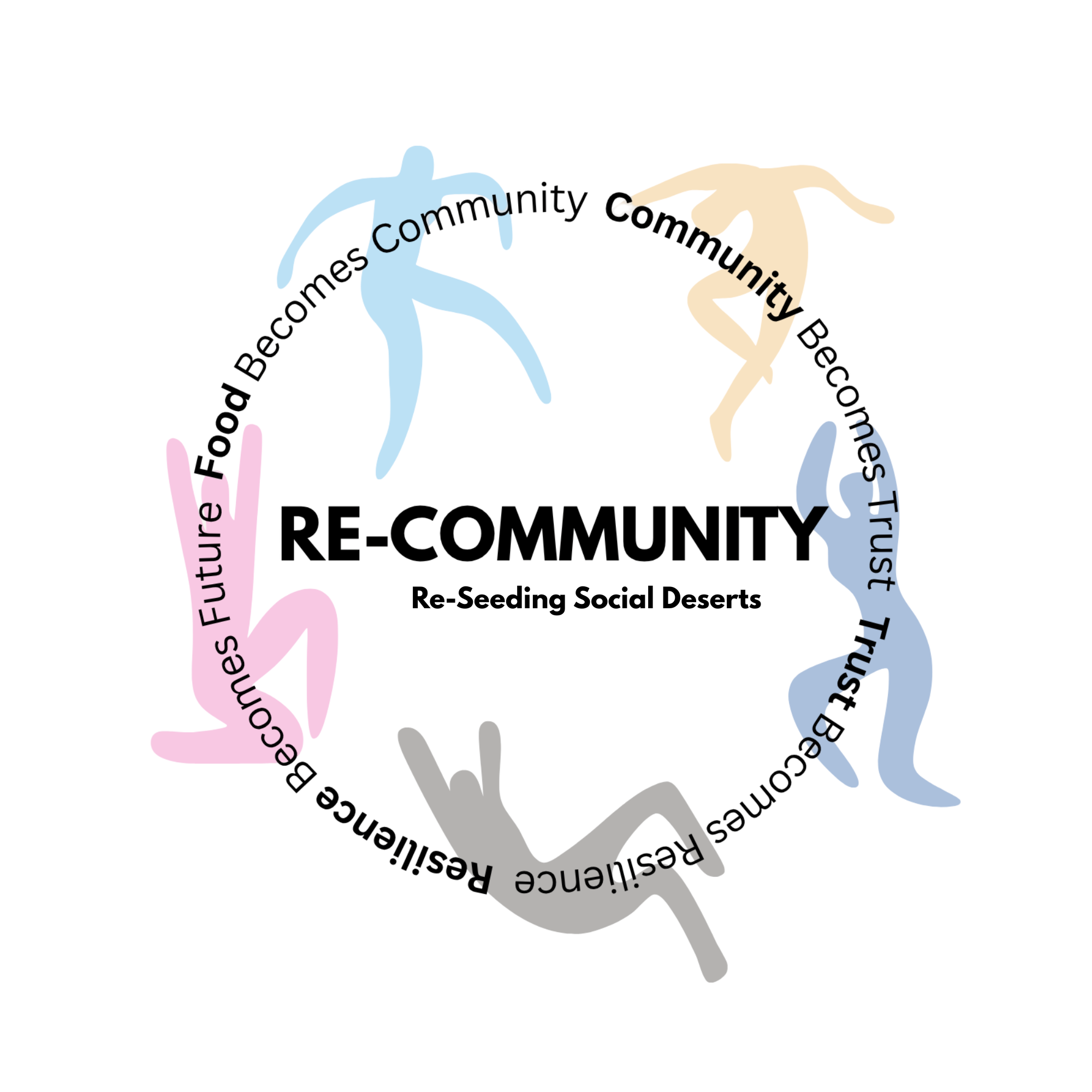
What if the future of struggling communities isn’t charity… but re-seeding? Not just with money. Not just with programs. But with the actual conditions required for healthy communities to grow again.
It all starts with tangible human needs while, at the same time, rebuilding the invisible architecture underneath them.
Systems Need to Be Bottom-Heavy (not top-heavy)
Popular thought has always been that systems should be top-heavy. That strength comes from centralization. From concentration. From a few people at the top carrying the weight of the whole structure. Governments. Corporations. Institutions. Even communities sometimes. We’re taught that stability comes from hierarchy… from control flowing downward.
But I wonder if that’s backwards.

The Trust-Based Economy
I’ve been mulling over a simple (or complex) question: What if the firm isn’t the end state… but just a workaround? That’s really what Ronald Coase was getting at in The Nature of the Firm. Firms exist because coordinating through the open market is inefficient. Expensive. Complications everywhere. So we built organizations to contain that chaos; to reduce the cost of figuring things out. It made sense. It worked.
But what happens when the reason they existed starts to… become less necessary? Because that’s where we are now. And information automation has changed the playing field.

Upstream Is Not Charity; When Doing Good Makes Financial Sense
For most of modern nonprofit history, we’ve raised money by telling stories of need. We show the hungry child. The overwhelmed mother. The struggling family. And we say:
“Look. Help. Please.”
And there was nothing wrong with that. Compassion does matter. It always will. But I think we’re entering a new era where that model alone isn’t going to be enough.
What if the future of nonprofit funding isn’t about just providing charity… but alignment?
The Economy of Trust: A White Paper on Re-Community, Social Capital, and the Future of Human Systems
Modern society is experiencing a crisis of fragmentation.
Communities are dissolving. Institutions are losing trust. Economic systems increasingly reward extraction over contribution. People are more digitally connected than ever before, yet profoundly isolated from one another.
This white paper proposes a different framework for understanding the future of society and economics:
That the most valuable form of capital may not be financial capital at all… but social capital.
Human civilizations have always functioned on trust networks. Long before modern banking systems, contracts, or digital currencies, communities survived through reciprocity, reputation, cooperation, and mutual obligation. Modern systems obscured this reality but never replaced it.

The Missing Ingredient in Social Change Networks
I’ve been reading a series of essays lately about building networks; about how social change leaders must come together, collaborate, cooperate, connect. And that’s absolutely true. I believe it wholeheartedly.
But let me tell you about my experience on the ground.
I belong to many groups of social change leaders. We have Zoom calls weekly; sometimes two or three times a week. We talk about the change we want to see. We talk about what needs to happen and how to make it happen. And honestly? We know what we’re talking about. We’re not amateurs. We’ve been doing this work for years, some of us for decades. Between us, we have an almost encyclopedic knowledge of the issues, the history, the obstacles, the solutions.
So then why isn’t change actually happening? Because there’s a critical ingredient missing from the equation.
The Human Capital Economy
For centuries, societies have become increasingly sophisticated at measuring financial capital. We can track dollars, assets, ownership, debt, investment returns, productivity, consumption, and economic growth with astonishing precision. In fact, entire industries exist to monitor, analyze, and optimize the movement of money. Yet one of the most important forms of wealth remains largely invisible.
Human capital. Social capital. Relational capital. Trust.

Money Is Not Value; a Position Paper
Modern society has become extraordinarily skilled at measuring money and remarkably poor at measuring value.
We track GDP, stock prices, quarterly earnings, productivity metrics, market capitalization, and countless other financial indicators. Entire industries exist to monitor, analyze, and optimize the movement of money. Yet beneath all of these measurements lies a largely unexamined assumption: that money itself is value. This paper challenges that assumption.
Money is not value. Money is a claim on value.

Frameworks for a Better Theory of Change
Modern systems optimized for production and consumption have systematically dismantled the social infrastructure (trust, reciprocity, belonging, mutual obligation) that once made communities strong. And this isn’t a downstream problem. It’s the upstream condition generating loneliness, institutional distrust, political polarization, and chronic dependency on systems that were never designed to replace community. Effective Altruism (EA), begins by asking one question:
Is this problem large, neglected, and tractable?

It’s More than Just “Capacity”
A lot of modern ideology assumes humans are infinitely interchangeable units with equal ability to navigate complexity independently. But lived reality says otherwise.
People vary tremendously in capacity, tenacity, perception, and adaptability. Healthy societies historically compensated for that through community, culture, and layered support structures rather than pretending everyone should operate as isolated hyper-competent individuals.
That reality is highlighted (again and again) in my work on trust, networks, and social infrastructure.
Community is the Foundation
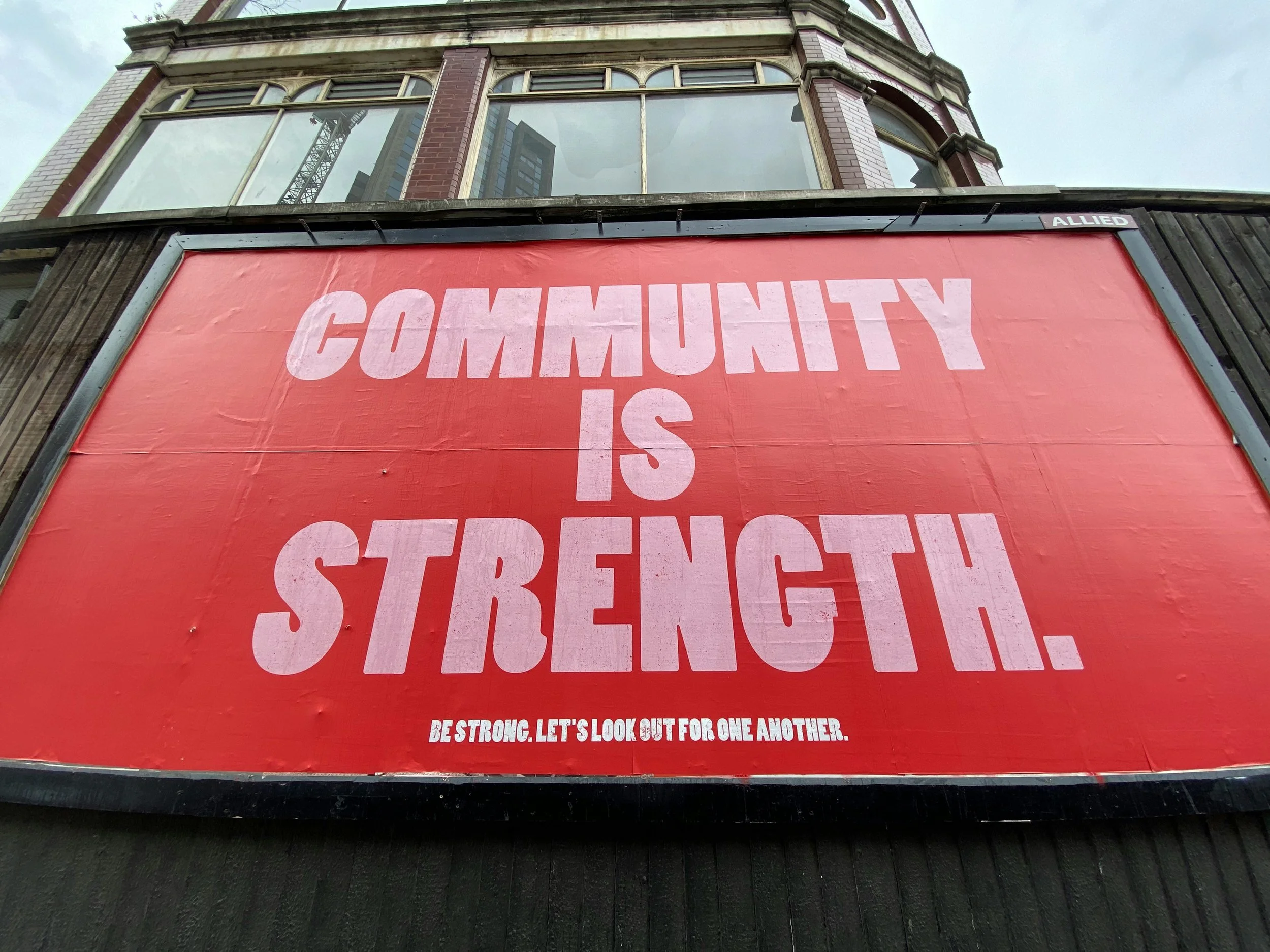
Community is not a byproduct of society. It’s the foundation upon which society is built. And we seem to have gotten that backwards lately.
It seems like many in our society think of community as something optional. A nice thing to have if we can find the time. A social club. A neighborhood association. A church group. A collection of people who happen to share a hobby or a zip code. As if community is an accessory attached to civilization.
I don’t think that’s true at all. I think community comes first.

The Community Memeplex
Much of my work is often described as community building, time co-ops, social capital, trust economies, mutual aid, mutual support, human capital, or social infrastructure. And those descriptions are certainly all true. But, they’re also incomplete.
What I’m really interested in is something larger: a memeplex; a set of interconnected ideas that reinforce one another and gradually change how people understand value, belonging, and society itself.

Tending the Social Garden: living systems have their own agency
“If you can see patterns across systems, connect people across networks, and inspire culture toward a shared purpose, this is your moment in history.”
When someone hears the phrase “systems thinking,” they rightfully imagine organizational charts, bureaucracies, governance structures, and institutional design. And that certainly is a form of systems thinking…
but it’s only one branch.

The Real Work is Stewardship
For many years, I believed my work was about changing things. I believed the challenge was to build better systems, create stronger networks, develop new models of value, and help communities rediscover their capacity to care for one another.
I still believe those things matter. Systems matter. Networks matter. Ideas matter. Yet over time I have come to see that they’re not the destination. They’re merely tools.
The real work is stewardship.

Which Came First, the Chicken or the Egg? Really?
When we encounter someone living in chronic need, there’s often an unspoken question lingering beneath the surface. How much of their situation was caused by their choices? And how much of their choices were caused by their situation?
It’s the social equivalent of asking which came first: the chicken or the egg.
People often divide themselves into camps. One group focuses on personal responsibility. They see bad decisions leading to bad outcomes. Poor financial choices lead to debt. Addiction leads to instability. Failed relationships lead to isolation. Looking at the world through this lens, the solution seems straightforward: make better choices. Right?
Another group focuses on circumstances. They see trauma, poverty, illness, discrimination, broken families, underfunded schools, and neighborhoods with limited opportunities. Looking through this lens, poor choices often appear less like moral failings and more like predictable responses to difficult conditions. Right?